You're spending money on marketing. Some of it's working. Most of it probably isn't.
The problem isn't effort. It's visibility. You see clicks, impressions, engagement rates—but you can't connect any of it to the customers who actually paid you. So you keep funding channels that look busy in reports while the ones driving revenue get overlooked or cut.
This isn't about building a perfect attribution system or buying enterprise analytics software. It's about creating enough visibility to make informed decisions. You need a practical framework that shows which channels genuinely drive revenue, not just activity. And you need it to work within the constraints of a real business—limited time, limited budget, and a sales cycle that doesn't pause while you figure this out.
What follows is a simple, testable approach to identifying your best channels. No complex tech stack required.
The Channel Attribution Trap Most SMBs Fall Into
Here's the classic mistake: someone fills out a contact form. Your analytics show they came from a Google Ad. You credit Google Ads with the conversion and increase the budget.
What you didn't see: that person first discovered you through a LinkedIn post three weeks ago, read two blog articles, and only searched your brand name on Google when they were ready to buy. The ad got the last click. It didn't do the work.
This is the attribution trap. Last-click data makes channels that close deals look like heroes while channels that start relationships get starved of budget. You kill the top of your funnel without realising it.
The opposite trap is just as common. You see "assisted conversions" in your analytics and assume every channel that touched the customer deserves credit. So you spread budget across six channels, none of them properly funded, all of them delivering mediocre results.
Both traps stem from the same issue: trying to extract perfect answers from imperfect data. You won't get perfect attribution. But you can get enough signal to make better decisions than you're making now.
The Three-Question Framework for Channel Evaluation
Before you commit serious budget to any channel, run it through three questions. They're simple. They're not about attribution models or analytics platforms. They're about whether a channel actually suits your business.
Can you track first contact to closed deal? Does it generate conversations or just clicks? Can you afford to wait for results?
These questions reveal whether a channel fits your business model, your sales cycle, and your cash position. If a channel fails two out of three, it's probably not your priority right now.
Can you track first contact to closed deal?
Tracking matters because you can't optimise what you can't see. If you don't know which channel brought in a customer, you can't confidently increase spend or prove ROI to anyone who controls the budget.
Some channels are naturally trackable. Google Ads with CRM integration. Email campaigns with UTM codes. Webinar registrations that flow into your pipeline. You can see the journey from first click to closed deal, even if it's not perfect.
Other channels are murky. Word-of-mouth. Some organic social. Podcast sponsorships. You know they're working—people mention them—but you can't quantify it.
Trackable doesn't mean perfect attribution. It means enough visibility to make informed decisions. If you can see that 60% of your Google Ad leads convert within 30 days while 10% of your Instagram leads convert after 90 days, you have enough data to allocate budget intelligently.
Don't dismiss untrackable channels entirely. They may still work. But they require different evaluation methods—customer surveys, promo codes, direct questions during sales calls. If you can't implement those methods, prioritise channels you can actually measure.
Does it generate conversations or just clicks?
There's a meaningful difference between channels that drive sales conversations and channels that drive passive engagement.
A sales conversation is a call, a demo request, a qualified enquiry where someone is actively considering buying. Passive engagement is a like, a page view, a newsletter signup. One moves deals forward. The other might, eventually, if you nurture it long enough.
For most SMBs, conversation-starters convert faster and waste less time. LinkedIn outreach that gets replies. Google Ads for high-intent searches. Referral partnerships where someone introduces you warm.
Compare that to Facebook ads that generate clicks but no follow-through. Content that gets shared but doesn't drive enquiries. These channels aren't useless, but they require patience and a longer nurture cycle.
Some businesses need nurture channels. If you're selling a $50,000 solution with a 12-month sales cycle, you probably need content and thought leadership. But if you're a tradie who needs three new jobs this month, you need channels that generate conversations now.
Can you afford to wait for results?
This is about cash flow, not patience.
SEO takes six to twelve months to deliver meaningful traffic. Organic social takes similar time to build an audience that converts. Content marketing is a long game. These are legitimate strategies, but they're luxuries if you need leads in 90 days.
Google Ads can deliver leads within weeks. Cold outreach can book meetings within days. These channels cost more per lead, but they generate revenue while you're still solvent.
Assess your runway honestly. If you need leads now, prioritise fast channels. Once cash flow stabilises, pair one fast channel with one slow-burn channel. Build the long-term asset while the short-term channel keeps the lights on.
This isn't about impatience. It's about strategic timing based on your business stage. A startup with three months of runway can't afford to wait for SEO. An established business with predictable revenue can.
What the Data Actually Shows: Channel Performance by Business Type
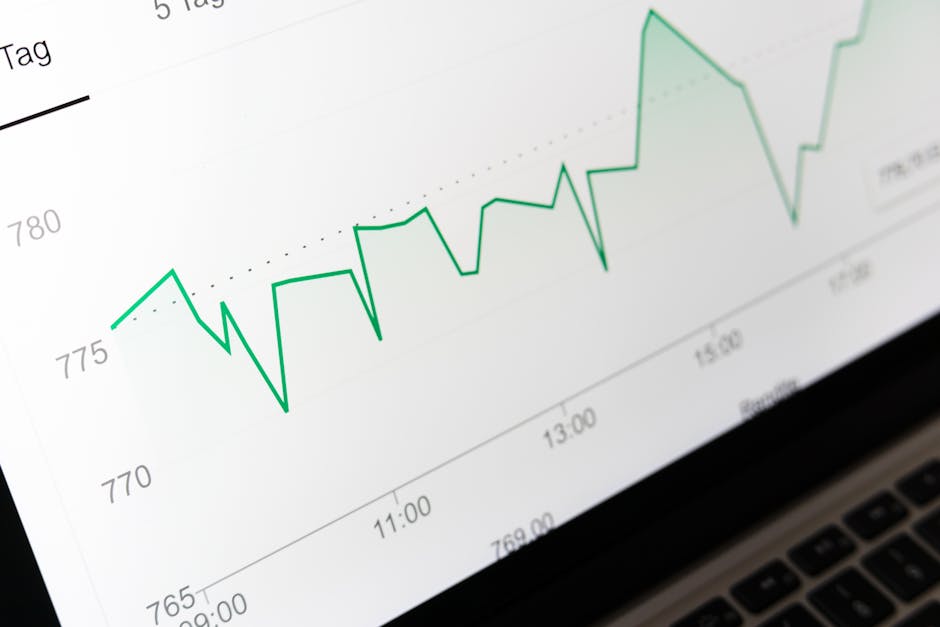
Channel performance varies wildly depending on what you sell and who you sell to. There's no universal "best channel." But there are patterns.
What follows are starting points for testing, not gospel. Every business needs to validate with their own data. But if you're choosing where to start, these patterns give you better odds than guessing.
Service businesses (agencies, consultancies, trades)
Top performers: referrals and partnerships, LinkedIn outreach, Google Ads for high-intent searches, local SEO for trades.
Why these work: service buyers want proof of expertise and trust signals before committing to high-ticket or ongoing relationships. They're not impulse buyers. They research, compare, and often need a recommendation before they'll take a meeting.
Social media—especially Instagram and Facebook—tends to underperform unless you're showcasing transformations or detailed case studies. Generic posts about your services don't convert. Proof does.
Expect 2-5% conversion from qualified conversation to proposal. Sales cycles run 30-60 days for B2B services, faster for trades responding to urgent needs.
Product businesses (e-commerce, SaaS, physical goods)
Top performers: Google Shopping and Search Ads, email marketing to existing customers, retargeting, TikTok and Instagram for impulse buys.
Why these work: product buyers often know what they want and search directly. Or they discover through scroll-stopping creative that makes them want something they didn't know existed five seconds ago.
Organic social rarely drives direct sales unless you're building a content-first brand, which takes 12+ months and significant creative investment. It's a valid strategy. It's not a fast one.
Expect 1-3% conversion rates for cold traffic, 5-15% for warm audiences. Sales cycles are faster—hours to weeks, depending on price point and consideration required.
Local businesses (retail, hospitality, healthcare)
Top performers: Google Business Profile optimisation, local SEO, Facebook and Instagram for community building, direct mail for high-value services.
Why these work: local buyers search "near me" or rely on community recommendations and visibility. They're not browsing national marketplaces. They want someone nearby who can help them now.
Broad paid social often wastes budget due to poor geographic targeting. Hyper-local campaigns—targeting specific suburbs or postcodes—perform better.
Expect foot traffic or bookings within days of optimising your Google Business Profile. Local SEO takes 3-6 months to gain traction, but once it does, it delivers consistently.
Your 90-Day Channel Test Plan

You need a time-boxed experiment to identify your best one or two channels without overcommitting budget or attention. Ninety days is enough to see signal in most channels—except pure SEO—and prevents endless "testing" that never concludes.
Here's how to run it.
Pick two channels maximum
Two channels. Not five. Not "a bit of everything."
Two gives you enough to compare performance without diluting effort so much you can't tell what's working. Use the three-question framework and the business type patterns to guide your selection.
If cash flow allows, pair one fast channel—paid ads, outreach—with one compound channel like SEO or content. The fast channel funds the business while the slow channel builds long-term leverage.
Don't hedge by testing five channels at low budget. That guarantees mediocre results across the board. You need enough spend and focus to give each channel a fair test.
Set up your simple tracking system
You need minimum viable tracking: UTM parameters on your links, a basic CRM or spreadsheet, and a consistent way to ask "how did you hear about us?"
Imperfect tracking is better than no tracking. Don't wait for the perfect tech stack. Start with a Google Sheet. Columns: lead source, date, conversation outcome, deal value. Update it weekly.
If you need something more robust without the complexity of enterprise tools, Lead Recorder gives you simple, actionable lead tracking that shows exactly where your customers are coming from—no analytics degree required.
The goal isn't perfect attribution. It's directional data that's good enough to make better decisions than you're making now.
The one metric that matters more than cost-per-lead
Cost-per-lead is a vanity metric. What matters is cost-per-customer.
A channel with a $50 cost-per-lead but a 50% close rate beats a channel with a $20 cost-per-lead and a 5% close rate. Every time.
Calculate it simply: total channel spend divided by number of paying customers. That's your true cost per customer. Factor in sales time if you want to get more accurate—some leads take three calls to close, others take one.
Track lead quality alongside quantity. Ten qualified conversations beat 100 tyre-kickers. If a channel delivers high volume but low intent, it's wasting your time even if the CPL looks good.
Stop Waiting for Perfect Data
You already have enough signal to make better channel decisions. You're just paralysed by wanting certainty.
Perfect attribution is impossible. Directional data is enough to act. You don't need to know exactly which touchpoint deserves credit. You need to know which channels are consistently present when deals close and which ones aren't.
Commit to the 90-day test with your two chosen channels. Track what you can. At the end, double down on what works and kill what doesn't.
Sunk cost fallacy kills more marketing budgets than bad channel choices. If a channel isn't working after 90 days, stop funding it. Redirect that budget to the channel that is working. You'll get better results from focus than from spreading yourself thin across channels that deliver mediocre returns.
If you need help setting up tracking that actually makes sense for your business, Lead Recorder specialises in simple lead attribution that shows you what's working without drowning you in data you'll never use.
Start the test. Give it 90 days. Then act on what you learn.